
Prism AI Safety Research Fellowship 101
Artificial intelligence is still an emergent field, and moving forward safely requires hands-on researchers who can test and secure the systems we’re building today. But, right now, there aren’t enough clear pathways for people to move from learning about AI to contributing to its safety. That’s where the PRISM AI Safety Research Fellowship comes in.
This 16-week fellowship allows the next generation of AI safety researchers to produce peer-reviewed research in interpretability, AI governance, evaluation, and alignment. Instead of just studying the problems, our fellows spend four months diving into the data, running experiments, and publishing their findings.
By the time they finish, they haven’t just learned about the field — they’ve helped build its foundation. Read on to learn more about our unique research model and the 16-week engine that powers our fellows from ideation to impact.

The PRISM Fellowship difference: Open research
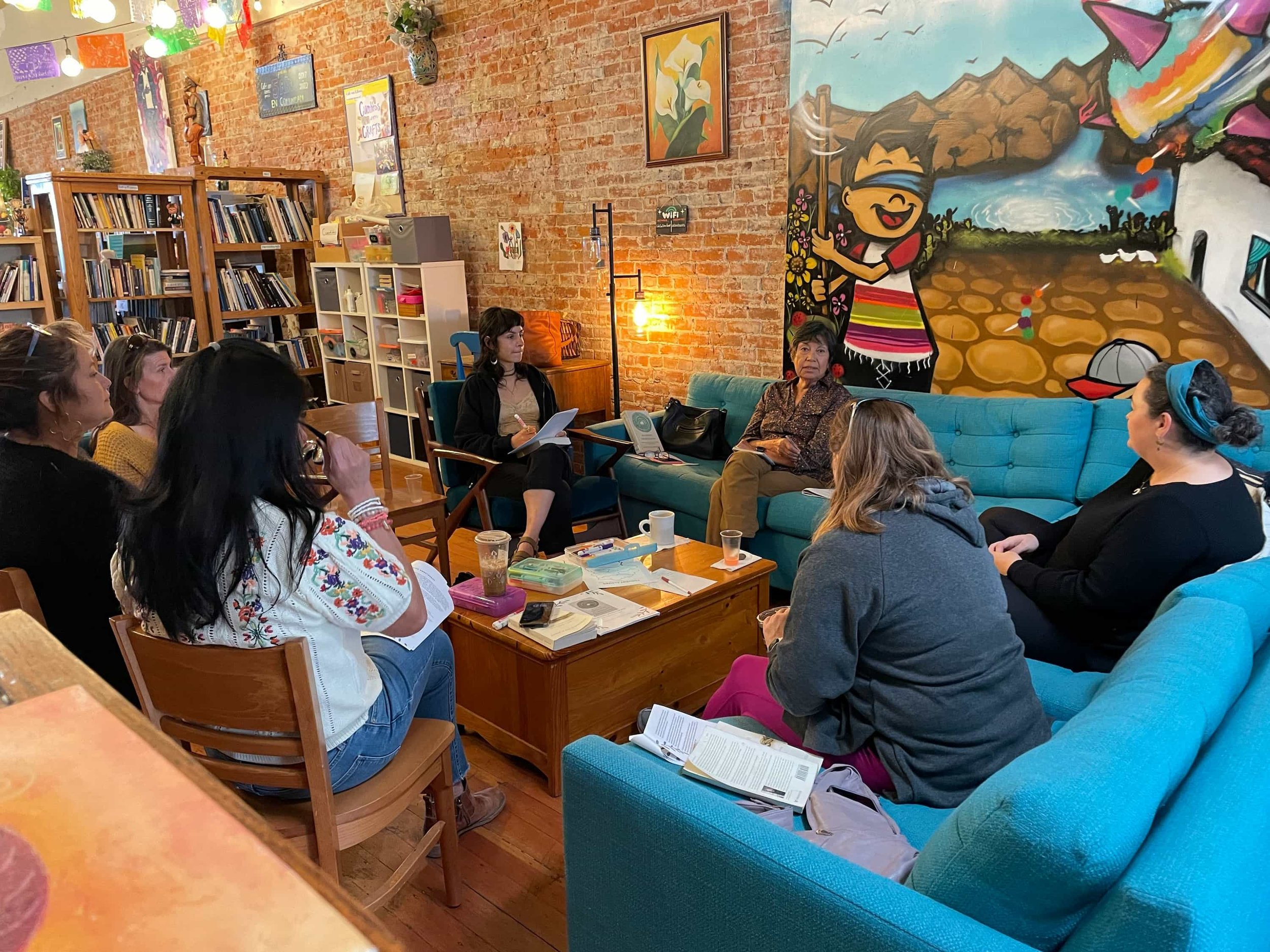
PRISM began as an experiment in how science itself is done. During a summer program, we piloted a radically different approach to research mentorship. Instead of a traditional top-down model, where senior leaders make decisions, we tested a democratic, blind peer voting system.
Using this framework, research methodologies were evaluated anonymously, allowing the strongest ideas to rise to the top based on merit alone, not seniority or background. The blind peer voting system led to meaningful results — half of the papers produced were accepted to top-tier conferences — and is the framework the PRISM Fellowship continues to use.
How we take idea to impact in four months
How does PRISM take talented professionals and turn them into contributing AI safety researchers in just 16 weeks? This is an active research sprint divided into four critical phases, driven by accountability and teamwork.
Ideation & lit review (Weeks 1-4)
In teams of eight, fellows dive into safety domains and each member surfaces three unique research papers to build a collective knowledge base. Every team pitches their research methodologies.
Methodology voting (Weeks 5-7)
Teams use an anonymous portal to vote on the strongest research directions. The winning authors become team leads and recruit their fellow collaborators.
Active experimentation (Weeks 8-12)
With mentor oversight, teams run intensive research sprints: they establish baselines, iterate on results, and decide whether their final output will be a formal paper or a production-ready software package.
Publication & release (Weeks 13-16)
The fellowship culminates in public contribution. Results are polished and released as open-source Python packages or submitted to top-tier conferences.